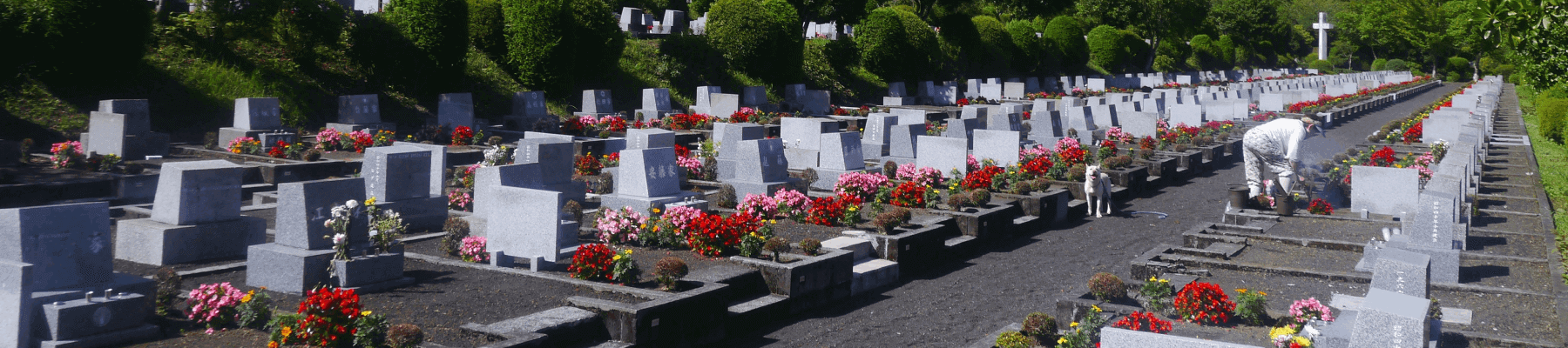
Planning a funeral while grieving is one of the hardest things you will do. This guide walks you through the decisions you need to make, the costs involved, and the options available in Australia, the UK, and New Zealand.
First Steps: What to Do Immediately
- Contact a funeral director — they handle transport of the body, paperwork, and can guide you through your options
- If the coroner is involved, confirm when the body will be released (usually within a few days)
- Decide on burial or cremation — this determines nearly every other decision
- Gather personal details about the deceased (full name, date of birth, date of death, address, parents’ names) for the death registration
- Choose a date and time for the service — most funeral directors can arrange a service within 1–2 weeks
Funeral Options and Costs
Burial
A traditional burial involves purchasing a burial plot, coffin, headstone, and the interment service itself.
- Australia: $4,000–$15,000+ including plot, coffin, and service. Cemetery plots in major cities can cost $3,000–$10,000 alone
- UK: £4,000–£6,000 on average. Plot costs vary significantly by location — London is notably more expensive
- NZ: NZD $5,000–$15,000 depending on cemetery location and headstone choice
Cremation
Cremation is increasingly common and typically less expensive than burial.
- Australia: $2,000–$8,000 including the cremation fee, coffin, and service
- UK: £3,000–£5,000. The cremation fee itself is approximately £800–£1,000
- NZ: NZD $3,000–$8,000
Direct Cremation
A no-service cremation — the most affordable option. The body is cremated without a formal funeral service, and the ashes are returned to the family.
- Australia: $1,500–$3,500
- UK: £1,500–£2,500
- NZ: NZD $2,000–$4,000
Direct cremation is growing in popularity, particularly in the UK, where providers like Pure Cremation and Farewill offer services from around £1,500.
Green / Natural Burial
An eco-friendly option where the body is buried without a traditional headstone, often in a designated natural burial ground. The body is not embalmed and is buried in a biodegradable coffin or shroud.
- Australia: Natural burial grounds exist in most states. Costs are comparable to traditional burial but without headstone costs
- UK: Over 270 natural burial grounds exist. Typically £2,000–£4,000
- NZ: Several natural burial options available, primarily in the North Island
Choosing a Funeral Director
You are not required to use a funeral director, but most families do. A good funeral director handles:
- Transport and care of the body
- Death registration paperwork
- Liaison with the cemetery or crematorium
- Organising the service
- Liaison with celebrants, clergy, or other officiants
- Arranging death notices and obituaries
- Ordering flowers, memorial books, and order of service sheets
You are entitled to ask for an itemised quote before engaging a funeral director. The Federal Government’s Funeral Industry Code of Practice (in Australia) and the Fair Trading regulations (in the UK) require transparent pricing.
Funeral Costs: What You’re Paying For
| Item | Typical cost (AU) | Typical cost (UK) |
|---|---|---|
| Funeral director professional fees | $1,500–$3,000 | £1,000–£2,000 |
| Coffin / casket | $800–$4,000 | £500–£2,000 |
| Cremation fee | $400–$1,000 | £800–£1,000 |
| Burial plot and interment | $2,000–$10,000 | £2,000–£6,000 |
| Headstone / memorial | $1,000–$5,000 | £1,000–£4,000 |
| Transport hearse | $400–$800 | £300–£700 |
| Order of service printing | $200–$500 | £100–£300 |
| Death notices / obituaries | $200–$600 | £200–£500 |
Government Assistance with Funeral Costs
Australia
- Centrelink: May provide a Bereavement Payment if you were receiving certain payments. Check with Centrelink as soon as possible
- State bereavement assistance: Some states offer modest funeral assistance for low-income families
- Superannuation death benefit: Most super funds pay a death benefit that can help cover funeral costs
UK
- Funeral Expenses Payment: A DWP payment of up to £1,000 for eligible recipients of certain benefits. Repayment may be required from the estate
- Social Fund Funeral Payment: An alternative for those not eligible for the standard funeral payment
New Zealand
- Work and Income (WINZ): May provide a Funeral Grant of up to NZD $2,559 for eligible low-income families
- ACC: If the death was caused by an accident, ACC may contribute to funeral costs
Organising the Service
The service can be as simple or elaborate as you wish. Common elements include:
- Eulogy — a tribute delivered by a family member, friend, or celebrant
- Music — hymns, favourite songs, or instrumental pieces
- Readings — poems, religious texts, or personal reflections
- Photo display — a slideshow or printed photos, often displayed at the service
- Wake or gathering — an opportunity for family and friends to share memories after the service
- Livestreaming — most funeral homes now offer livestreaming for those who cannot attend in person
You are not required to have a religious service. Secular celebrants are widely available in all three countries.
Comparing Funeral Providers
Before committing to a funeral director, consider comparing quotes from multiple providers. Online comparison sites can help:
- Australia: Bare Cremations, Beyond, FuneralGuide
- UK: Funeral Guide, Beyond, Pure Cremation
- NZ: Funeral directors in NZ can be compared through local directories